Built-In Units vs. Freestanding: Which Storage Solution Fits Your Home?
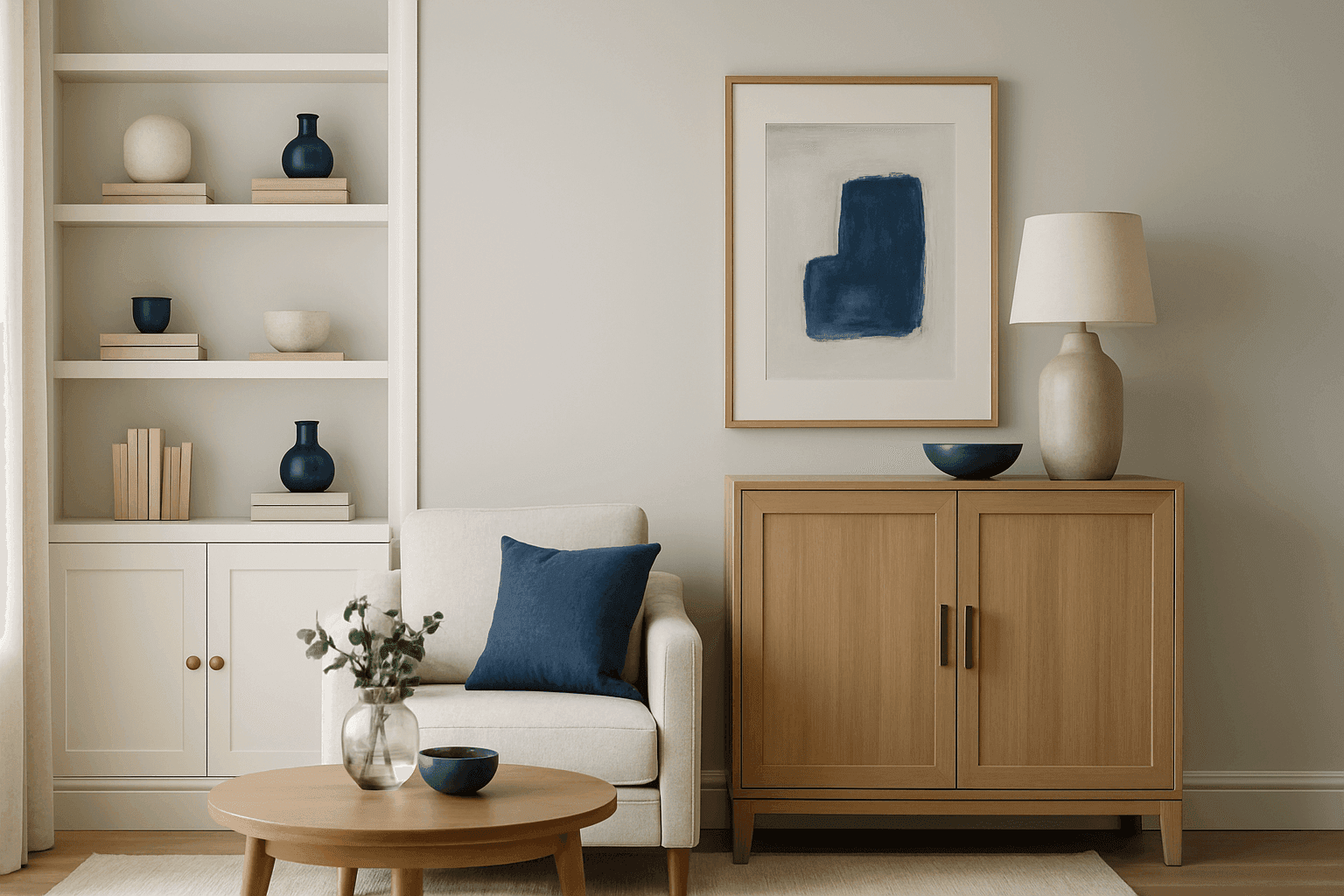
You can almost picture it: a blank wall just waiting for purpose, or a living room corner aching for order. Storage isn’t just about hiding clutter—it’s about shaping how you live, move, and feel in your space. At The Kitchen Carpenter, we know every home has its own puzzle.
So when it comes to storage, do you choose built-in units, or do freestanding pieces make more sense? Let’s walk through the options together and help you find the perfect fit.
Pros and Cons of Built-In Units
Built-in units are like suit jackets tailored just for you—they fit the room exactly, no gaps or wasted inches. These are crafted to be part of your home’s architecture: think custom shelving, window seats, mudroom cubbies, or bookcases that seem to grow right from the walls.
Pros:
- Seamless Aesthetics: Built-ins blend in beautifully. They can match your trim, crown molding, or wainscoting for a unified look.
- Maximized Space: Every nook and cranny can be used—especially in tricky spots like under stairs or awkward alcoves.
- Boosts Home Value: Many buyers see built-ins as an upgrade, especially in kitchens, closets, or living rooms.
- Durability: Fixed in place, they’re sturdy. Quality carpentry (like ours) means decades of service.
Cons:
- Permanence: Once installed, moving them isn’t easy. Changing your mind later? That’s a project.
- Higher Initial Cost: Because they’re custom and labor-intensive, built-ins often cost more upfront than off-the-shelf options.
- Installation Time: It’s not instant. Built-ins require careful planning, measurement, and finish carpentry skills.
- Flexibility: If you rearrange rooms often or plan to move soon, built-ins might feel limiting.
“Think of built-in units like planting a tree. They grow with your home, but they’re not going anywhere fast.” — The Kitchen Carpenter
When Freestanding Makes Sense
Freestanding storage is the Swiss Army knife of home organization. These are your classic bookshelves, dressers, wardrobes, or modular cabinets—pieces that stand alone and can move with you.
Best For:
- Rental Homes: Not allowed to make permanent changes? Freestanding is your friend.
- Frequent Room Updates: If you love to redecorate or swap rooms, flexibility matters.
- Budget-Conscious Projects: Off-the-shelf options and DIY assembly save on labor.
- Quicker Solutions: No waiting for custom builds or finish carpentry near you.
Drawbacks:
- Less Efficient Use of Space: Standard sizes don’t always fit perfectly. You might lose precious inches.
- Style Mismatch: It’s harder to match freestanding pieces to existing trim, floors, or cabinetry.
- Potential for Wear: Freestanding units can get scuffed, tipped, or moved around—sometimes at the expense of longevity.
“Freestanding storage is like a suitcase—versatile and ready to go, but never quite as snug as built-ins.” 🧳
Key Considerations: Space, Style, Budget
Before making a decision, step back and think about what you really need.
Space
- Odd Angles or Tight Spots: Built-ins shine in challenging spaces—under sloped ceilings, around fireplaces, or in shallow mudrooms.
- Open Layouts: Freestanding pieces can help define areas in open spaces or be rearranged as life changes.
Style
- Historic Homes: Sensitive to original details? Skilled carpentry can match period moldings and finishes for seamless built-ins.
- Modern/Minimalist: Custom units can disappear into the walls, while bold freestanding pieces become a statement.
Budget
- Upfront vs. Long-Term: Built-ins cost more at first, but can add value. Freestanding is often cheaper now, but may need to be replaced sooner.
- Material Choices: High-end hardwoods, eco-friendly finishes, or simple plywood—your choices affect both cost and feel.
Tip: Sketch your dream setup or collect photos. A simple drawing helps your carpenter understand your vision and budget.
Customization Options for Both
Customization isn’t just for built-ins. Both solutions can be shaped to suit your style and needs.
Built-In Units
- Integrated Lighting: LED strips or recessed puck lights for display shelves or closets.
- Hidden Storage: Secret compartments, appliance garages, or pull-out pantry units.
- Material Variety: Match your floors, crown molding, or choose contrasting stains for drama.
Freestanding Pieces
- Modular Systems: Combine units for a custom look—stackable cubes, add-on shelves, or wardrobes with adjustable interiors.
- Paint & Finish: Refinish or repaint to refresh old favorites. Quality stains or finishes extend life and beauty.
- Hardware Swaps: Change handles, pulls, or feet for a quick style upgrade.
“A custom carpenter can retrofit freestanding pieces to fit your space, like trimming a suit to get the perfect fit.”
Making the Right Choice for Your Home
Every house has a story. The best storage fits seamlessly into your life, not just your square footage.
How to decide:
- Assess Your Needs: What are you storing? How often do you access it? Consider kids, pets, and future plans.
- Map Your Space: Measure twice! Know your wall height, depth, and any obstructions like vents or outlets.
- Style Check: What do you want to see every day? Sleek and hidden, or bold and classic?
- Budget Reality: Be honest about what you can invest now—and what will bring you joy for years.
- Consult a Pro: An experienced carpenter (like The Kitchen Carpenter) can suggest solutions you might not even know exist.
“Your home is a reflection of you. Storage should support your life, not just your stuff.” 🏡
What’s the Difference? Built-In vs. Freestanding at a Glance
Built-In:
- Fixed, custom fit
- Adds value
- Seamless look
- Higher cost, longer install
Freestanding:
- Flexible, movable
- Budget-friendly
- Easier to swap or update
- Less efficient use of odd spaces
Expert Tips for Maximizing Storage Value
- Use Vertical Space: Go up! Floor-to-ceiling shelves multiply storage without eating floor area.
- Mix Open & Closed: Open shelves for display, closed cabinets for clutter.
- Quality Hardware: Soft-close hinges, sturdy tracks, and durable finishes all extend the life of any unit.
- Safety First: Secure tall freestanding units to studs, especially in homes with kids. The U.S. Consumer Product Safety Commission recommends anti-tip kits for added peace of mind.
- Match Materials: For a cohesive look, echo the wood species or finish in other trim or moldings.
Real-World Examples
- Mudroom Built-Ins: Custom cubbies with hooks and bench storage tame coats and shoes in even the smallest entryways.
- Freestanding Pantry: In a rental kitchen, a tall cabinet on wheels adds tons of storage without a single screw in the wall.
- Living Room Bookcase: Built-ins flanking a fireplace create a cozy library feel and double as display for family mementos.
Frequently Asked Questions
Do built-ins increase home value?
Well-crafted built-in units, especially in kitchens, closets, and living spaces, can increase resale value. Buyers appreciate the permanence, efficiency, and high-end feel—especially when installed by professional finish carpentry near you.
Can I combine built-in and freestanding solutions?
Absolutely! Many homes use both. A built-in media center with floating shelves above a freestanding sideboard gives you flexibility and style.
How long do built-ins take to install?
Timing depends on complexity, size, and finish. Simple shelving units may take a few days, while custom closets with lighting and detailed trim could take a week or more. Always allow extra time for design and material selection.
Are there code or safety rules to follow?
Yes. For example, built-ins near electrical outlets or HVAC vents must meet local code requirements. In older homes, check for lead paint or asbestos before demo. Always anchor tall units and follow manufacturer hardware guidelines for children’s safety.
Materials and Design Considerations
- Solid vs. Engineered Wood: Solid hardwoods offer classic beauty and repairability, while engineered woods provide stability in humid climates.
- Eco-Friendly Finishes: Water-based stains and low-VOC paints promote healthier indoor air.
- Historic Preservation: For older homes, match existing profiles and finishes. Consult the National Park Service or local heritage boards for guidance.
- Outdoor Storage: Weather-resistant materials, like treated lumber or cedar, are best for garden structures, sheds, or treehouses.
Your Next Step
Whether you dream of seamless built-ins or the flexibility of freestanding storage, The Kitchen Carpenter is here to help. Our team brings decades of carpentry experience—ready to listen, measure, and craft a solution that fits your life as well as your space.
Call The Kitchen Carpenter now — or reach us anytime at 888-871-3910 .