How to Diagnose and Repair Wood Rot in Your Home
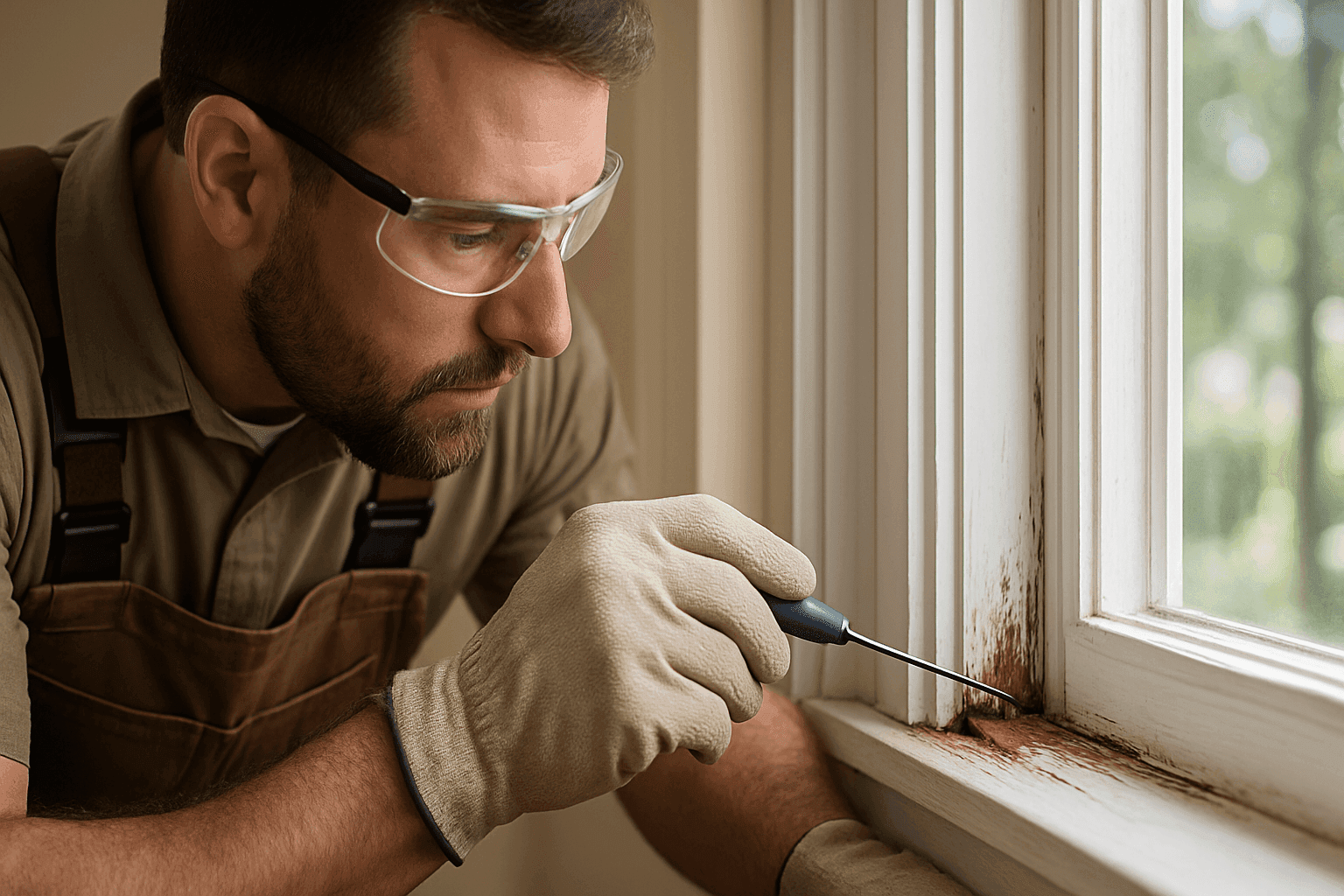
Have you ever pressed your finger against a window sill and felt it give way, soft as a rotten apple? Wood rot can sneak up quietly, often hiding in the places you least expect. At The Kitchen Carpenter, we’ve seen firsthand how a small spot of rot can grow into a much bigger problem—fast.
Understanding how to spot and handle wood rot is like learning to read the early warning signs on your dashboard before your car breaks down. Let’s walk through what every homeowner should know to keep their space solid, safe, and beautiful.
What Is Wood Rot? 🪵
Wood rot is the result of fungi feasting on damp wood. The process is slow but relentless—like a leaky faucet that, over time, can fill a bucket or flood a basement. There are two main types to watch for:
- Dry rot: Misleading name. The wood is actually damp, but the surface may feel dry as the fungus spreads underneath, breaking down the wood fibers.
- Wet rot: Needs a constant moisture source (think leaky gutters, unsealed joints, or splash zones near the ground).
Both types weaken the structural integrity of your home. Left unchecked, rot can compromise everything from window frames to deck posts—and even lead to costly repairs and safety hazards.
Why does it happen?
- Persistent moisture (leaks, poor drainage, humidity)
- Lack of airflow
- Damaged or untreated wood surfaces
Carpentry codes and guidelines from organizations like the International Association of Certified Home Inspectors (InterNACHI) stress the importance of addressing water intrusion quickly to limit rot.
Early Warning Signs of Wood Rot
Spotting wood rot early is like catching a cold before it turns into pneumonia. Watch for these red flags:
- Soft, spongy, or crumbling wood: Press with a screwdriver or your thumb—the wood should feel firm.
- Peeling or blistering paint: Moisture trapped beneath the surface often signals trouble underneath.
- Discoloration or dark streaks: Patches of yellow, brown, or black may indicate fungal growth.
- Mushroom-like growths: These can sprout right on the wood or nearby surfaces.
- Musty, damp odor: A persistent earthy smell may signal hidden decay.
Look closely around windows, door frames, decks, baseboards, and siding. These areas are prime targets for wood rot, especially if exposed to rain or ground moisture.
Step-by-Step Diagnosis Process
Think of diagnosing wood rot like being a detective—start with the obvious clues, then dig deeper.
1. Visual Inspection
- Scan for discoloration, warping, or surface cracks.
- Check joints, corners, and any spot where water might collect.
2. Touch and Probe
- Gently press on suspect areas with a screwdriver or awl.
- Healthy wood resists; rotten wood will feel soft, compress, or flake away.
3. Moisture Check
- Use a moisture meter if you have one. Readings above 20% suggest a problem.
- No meter? Look for persistent dampness or condensation.
4. Safety First
- Wear gloves and a dust mask—disturbed spores can irritate lungs and skin.
- Be cautious probing structural elements; weakened wood can give way unexpectedly.
5. Document and Mark
- Mark affected areas with painter’s tape or chalk for easy reference.
- Take photos for your records or to share with a professional.
Consult resources like the U.S. Department of Housing and Urban Development (HUD) for guidance on safe inspection practices.
DIY vs. Professional Repair
Should you roll up your sleeves, or is it time to call in a pro? Here’s how to decide.
DIY Repairs: When It’s Safe
- Minor surface rot: Small patches on trim, window sills, or baseboards.
- Accessible areas: Easy to reach without removing structural components.
- You have basic tools: Chisel, putty knife, wood hardener, filler, sandpaper.
DIY Steps:
- Remove all rotten wood until you reach clean, solid material.
- Apply wood hardener to stabilize soft spots.
- Use exterior-grade wood filler or epoxy to rebuild missing sections.
- Sand smooth, prime, and paint or stain to seal.
Call a Pro: When It’s Critical
- Structural damage: Joists, beams, load-bearing posts, or framing.
- Widespread rot: Multiple rooms or hidden areas (inside walls, under floors).
- Persistent leaks or moisture source remains unresolved.
- Historic restoration: Preserving original features or following local codes.
A professional carpentry team—like The Kitchen Carpenter—will ensure repairs meet building codes and safety standards.
Preventing Future Wood Rot
Stopping rot before it starts is always easier than repairing damage later. Prevention is a bit like brushing your teeth—small habits pay off in the long run.
Key tips:
- Seal all joints and edges: Use caulk or weather-resistant sealants around windows, doors, and trim.
- Paint and stain regularly: Maintain protective coatings to keep moisture out.
- Clean gutters and downspouts: Direct water away from your home’s foundation.
- Ventilate damp spaces: Bathrooms, kitchens, and crawl spaces need good airflow.
- Inspect yearly: Check decks, siding, and all woodwork after wet seasons.
The U.S. Environmental Protection Agency (EPA) recommends prompt repair of leaks and moisture sources to prevent fungal growth.
Safety Tips for Wood Rot Diagnosis and Repair
Before you start any repair, review this quick checklist:
- Wear gloves, safety glasses, and a dust mask.
- Use sharp, clean tools for cutting or scraping.
- Never stand on rotten wood—test supports before putting your weight on them.
- If mold is present, consider professional remediation.
DIY vs. Professional Repair
Sometimes, a small area of rot is manageable with a chisel and some patience. But when in doubt—or if the damage is structural—there’s no substitute for professional carpentry. An experienced eye can catch what’s hidden behind the surface and ensure repairs are safe, code-compliant, and built to last.
What to Expect When a Professional Arrives
A skilled carpenter will:
- Inspect all potentially affected areas, inside and out.
- Use moisture meters and specialized probes.
- Remove and replace damaged wood, matching the existing grain and finish.
- Address the underlying moisture source (flashing, drainage, sealant, etc.).
- Follow industry guidelines from sources like the National Wood Flooring Association (NWFA) and local building codes.
This approach not only restores your home’s beauty but also its structural integrity.
Preventing Future Wood Rot
Routine care can keep rot at bay for years. Here’s what we recommend:
- Inspect exterior woodwork every spring and fall.
- Repaint or restain wood surfaces at the first sign of wear.
- Fix leaks immediately—don’t wait for a rainy day.
- Keep mulch and soil away from siding and trim.
- Add ventilation where humidity is a problem (bathrooms, basements, attics).
Costs & Time Factors
Repair costs and timelines can vary widely, depending on:
- The size of the affected area (a small window frame vs. a whole deck)
- Type of wood and finish
- Accessibility (ground-level trim is faster than a high gable)
- Need for specialty materials or historic preservation
Minor repairs might take an afternoon. Larger jobs, especially those involving framing or structural elements, may require several days and specialized tools.
When Wood Rot Is an Emergency
Some situations need immediate attention:
- Rot in load-bearing beams, joists, or staircases
- Rapidly spreading damage or signs of collapse
- Water intrusion that can’t be stopped
If you notice sagging floors, unstable decks, or doors/windows that suddenly won’t close, don’t wait. These issues can escalate quickly, risking injury and further damage.
FAQ
How can I tell if wood rot is active or old?
Active rot feels soft, may crumble, and is often damp. Old rot will be dry and brittle, but the wood will still be weak. If you’re unsure, a moisture meter can help.
Can wood rot spread to other parts of my home?
Yes—if the moisture source isn’t fixed, fungi can spread through connected wood, drywall, or insulation.
Do I need to replace all the wood, or can I patch it?
Small, non-structural areas can often be patched. If the rot has compromised strength, full replacement is typically safer.
Is it safe to paint over wood rot?
No—painting over rot only hides the problem and can trap moisture, making it worse.
Local and Seasonal Considerations
Wood rot is more common after wet weather or in humid climates. In colder areas, freeze-thaw cycles can open up cracks for moisture to enter. Inspect your home after heavy rain, snow melt, or long humid spells for the best protection.
Conclusion
Catching wood rot early is like finding a small leak before it becomes a flood. Whether you’re tackling a simple repair or need a hand with something bigger, understanding the basics can save you time, money, and stress.
Call The Kitchen Carpenter now — or reach us anytime at 888-871-3910 .